

How Fura da Nono is Made Step by Step (Traditional Hausa Method Used in Karsana, Abuja)
Fura da Nono is one of those things you don’t really forget once you’ve tasted it. In Karsana, Abuja, you’ll find it being prepared in the traditional way, especially by people who still follow the original Northern method instead of shortcuts.
It’s made from two main things — millet and fresh fermented milk — but the process is what gives it its real taste.
Step 1: Preparing the millet
It all starts with millet grain.
The grains are washed properly to remove dirt, then soaked in water for a while so they soften. After that, they are ground into a fine flour.
At this point, some people mix in a little ginger or cloves. It’s not just for taste — it also gives the Fura its slight spicy aroma that you notice when you drink it.
Step 2: Making the Fura dough
The millet flour is mixed with water and turned into a thick dough.
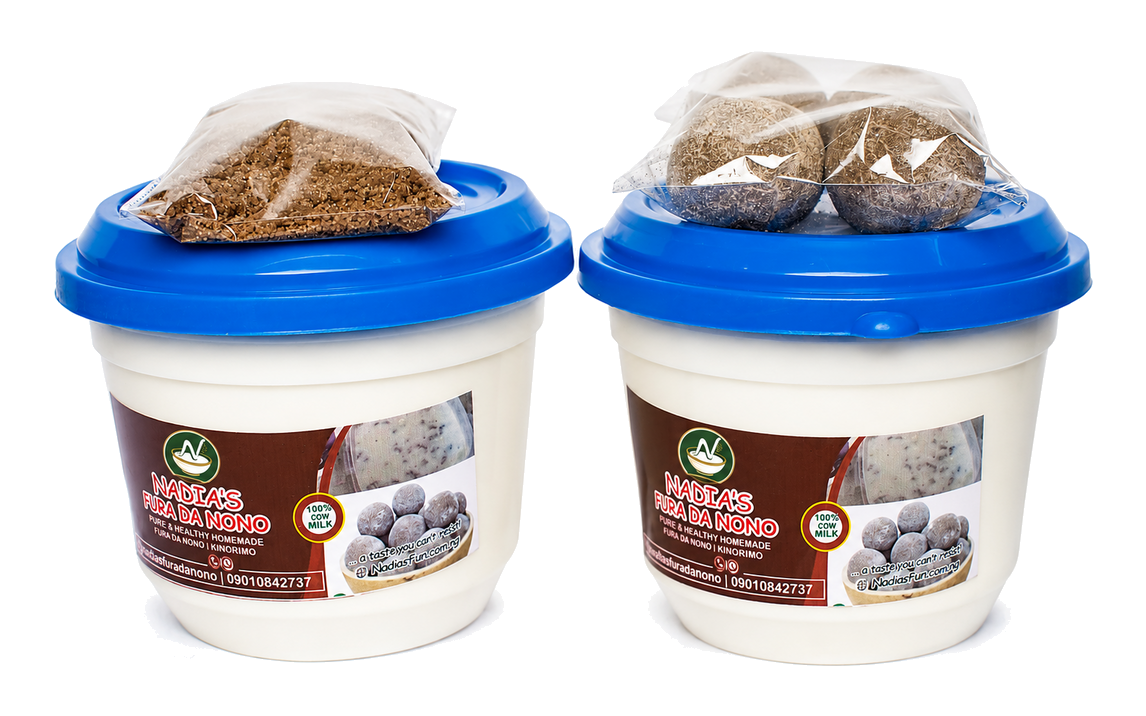
From there, small round balls are shaped by hand. This is the part most people recognize — the small brown balls that look simple but carry most of the work.
Step 3: Cooking the Fura balls
The balls are boiled until they become firm but soft inside.
After cooking, they are left to cool down completely.
Once cooled, they are pounded or mashed slightly so they break into soft granules. This is what makes it easy to mix with milk later.
Step 4: Preparing the Nono
Nono is simply fresh milk that has been left to ferment naturally.
It becomes slightly sour, thick, and smooth.
In places like Karsana, Abuja, you’ll often find it stored cold so it stays fresh and refreshing.
Step 5: Mixing everything together
This is where everything comes together.
The crushed Fura is poured into a bowl, and the Nono is added gradually while stirring.
Some people like it thick, others prefer it lighter. A little sugar can be added, but many people take it just as it is.
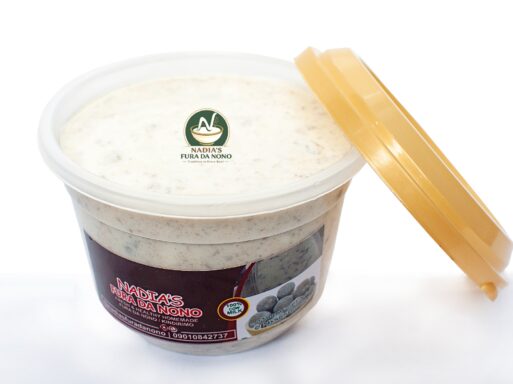
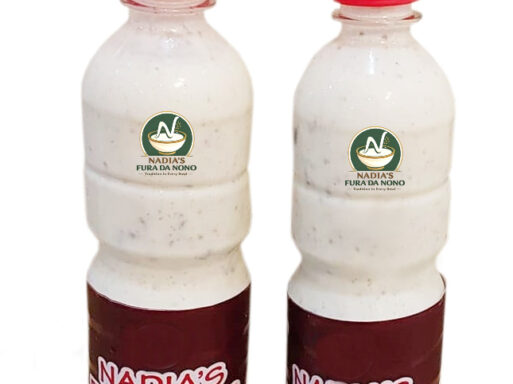
Once mixed properly, it becomes a smooth, filling drink that can pass for a light meal.
How people actually enjoy it in Karsana, Abuja
Most people don’t treat it like something fancy.
It’s usually taken:
- In the morning before the day starts
- During hot afternoons
- As a quick, filling snack
It’s simple, cold, and surprisingly satisfying.
A few things that matter
Good Fura da Nono depends on two things:
- Fresh Nono (milk that hasn’t gone too sour)
- Well-prepared Fura (not too hard, not too soft)
When both are done right, the taste speaks for itself.
You’ll find different versions across Northern Nigeria, but the process is mostly the same everywhere. In Karsana, Abuja, it’s becoming more common again, especially with people looking for something traditional that still feels fresh and filling.